Skip to content
The Sourdough Method
Beginner Guides

The Sourdough Starter Float Test — Does It Actually Work?

How to run the float test, what a sinking starter really means, and three more reliable signs your starter is ready to bake.

By Amanda Kelly
July 20, 20266 min read
A spoonful of bubbly sourdough starter floating in a glass of water
Disclosure: Some links on this page are affiliate links. If you buy through them we earn a small commission at no extra cost to you. We only recommend tools we personally bake with.

Drop a small spoonful of starter into a glass of room-temperature water. If it floats, there's enough trapped gas to raise a loaf. If it sinks, it usually needs more time.

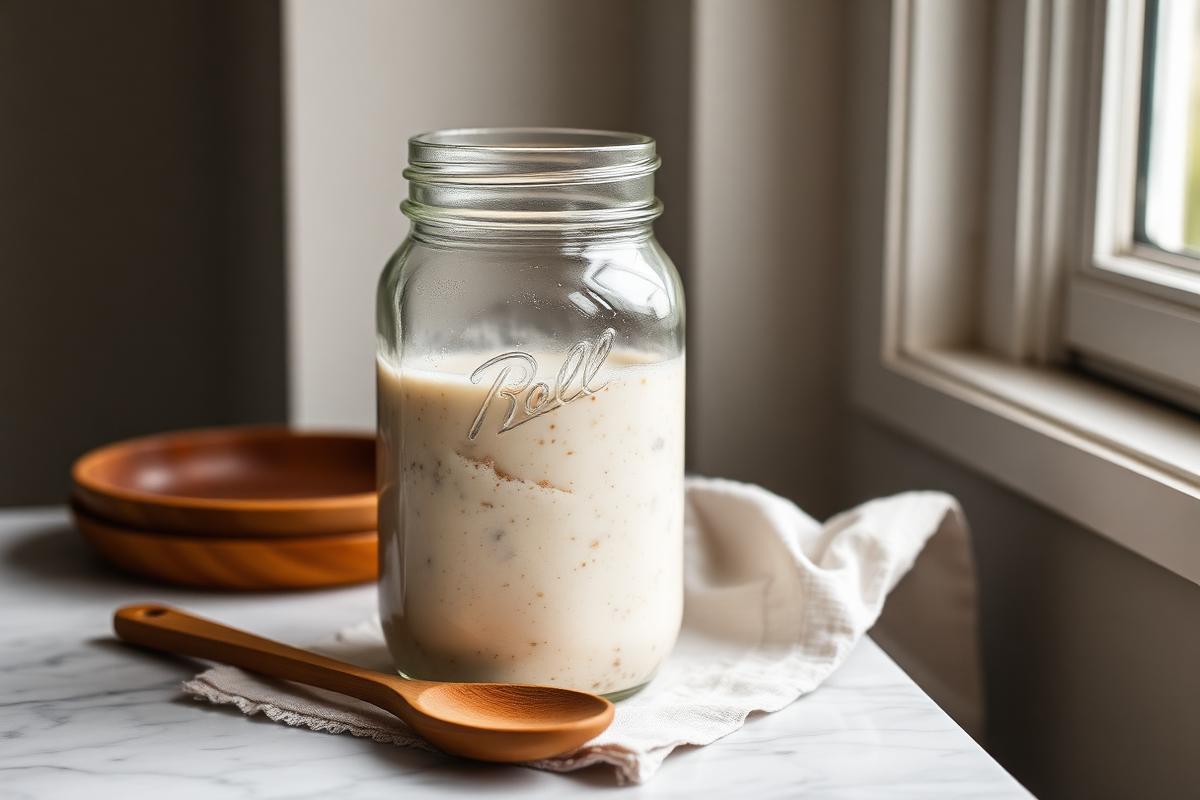
The test isn't infallible. Stiff starters can sink while perfectly active, and a stirred sample loses its bubbles before it hits the water — scoop gently from the top.

Pair the float test with the signals that never lie: a doubling in volume, a domed and just-beginning-to-recede surface, and a smell that's yeasty and sweet rather than sharply acidic.


Frequently Asked Questions

My starter sinks but doubles. Should I bake?

+

Yes. Doubling on a predictable schedule matters far more than the float test.

When is the best time to test?

+

At peak — typically 4 to 8 hours after feeding, depending on your kitchen temperature.

Comments

Comments are moderated. Be kind, be curious, and share your bake photos.

Related Articles