Troubleshooting Common Problems
Every baker has a dense loaf story. Here's how to diagnose what went wrong — and how to make sure it doesn't happen twice.
My loaf is dense and gummy.
+
Nine times out of ten this is under-fermentation. Extend your bulk ferment until the dough shows a 50–75% rise, small surface bubbles, and a jiggle when the bowl is nudged.
My dough is impossibly sticky.
+
Check your flour's protein content (aim for 12%+), wet your hands rather than adding flour, and give the dough more time and folds to develop.
My starter isn't rising.
+
It's likely cold or hungry. Move it somewhere warmer (75–78°F), feed it a 1:1:1 ratio of starter to flour to water, and be patient for 3–5 days.
My crust is pale.
+
Your oven is not hot enough or the loaf came out too early. Bake at 250°C / 480°F with the lid on for 20 minutes, then lid-off until deeply mahogany.
The loaf spread flat when I turned it out.
+
Over-proofed. Shorten your bulk ferment, use a cooler kitchen, or reduce hydration by 3–5%.
Deep-dive articles
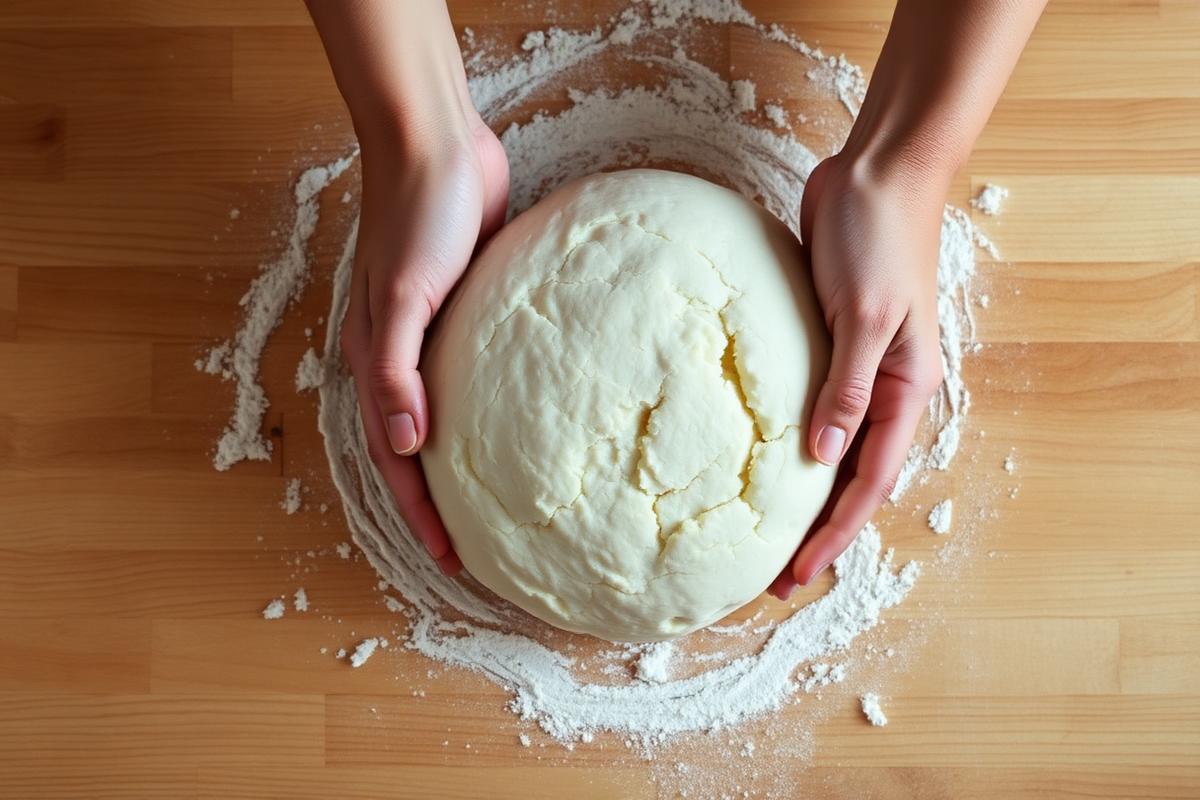
Why Is My Dough So Sticky? Five Fixes That Actually Work
Sticky, slack, uncooperative dough almost always comes down to one of these five variables. Here's how to diagnose it.
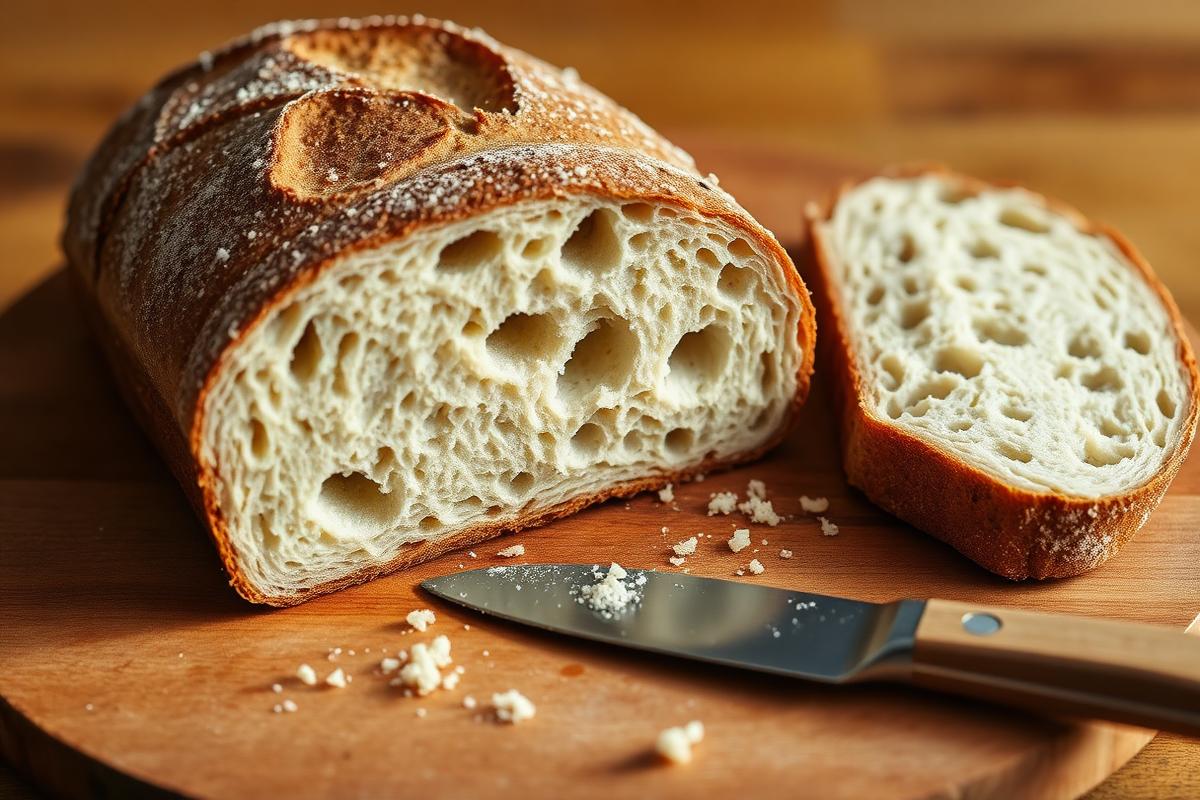
Mastering the Overnight Baking Schedule
How to bake fresh bread before breakfast without setting an alarm at three in the morning.
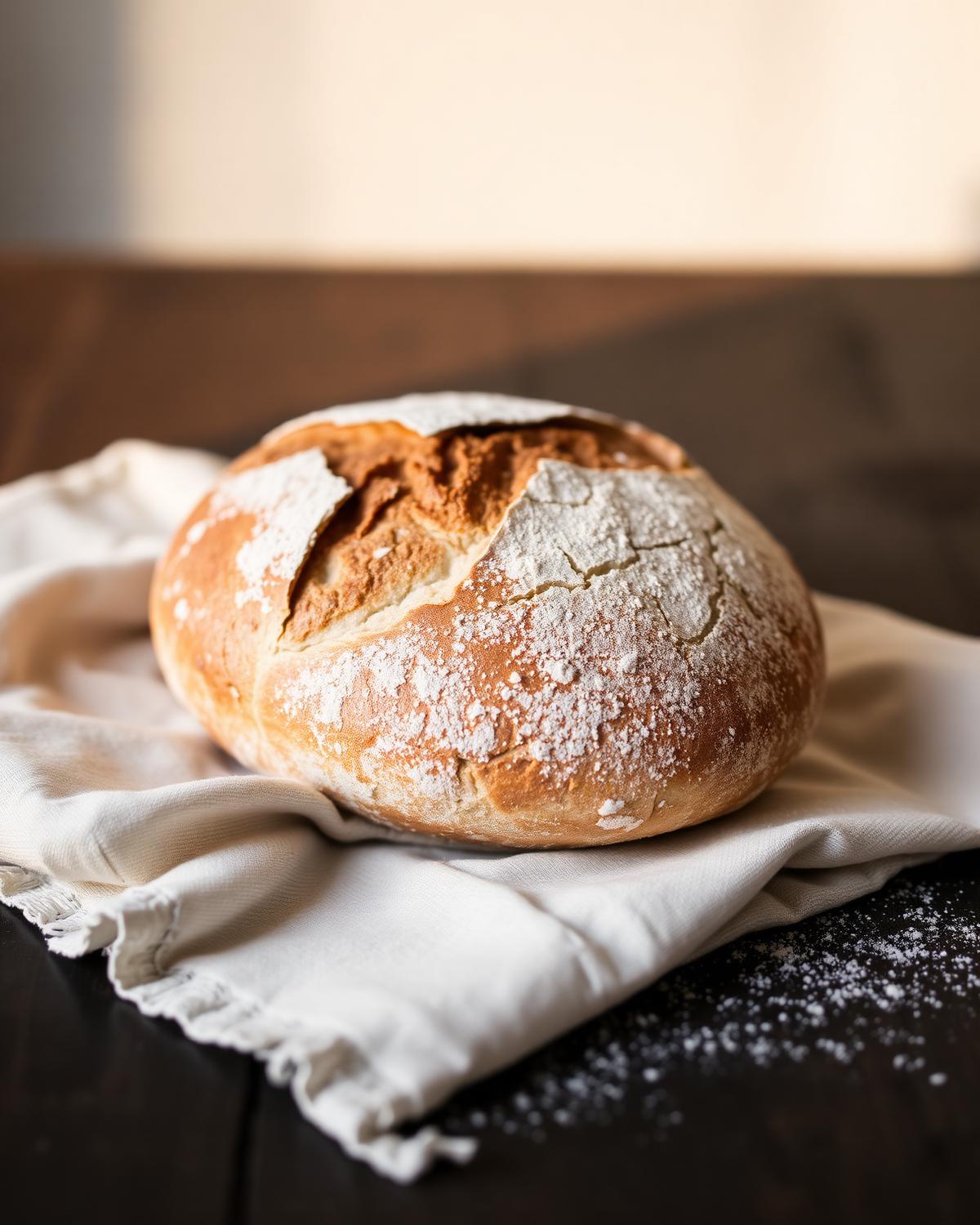
The Anatomy of a Perfect Ear
Scoring is equal parts art and geometry. Here's how a shallow blade change transforms your crust.
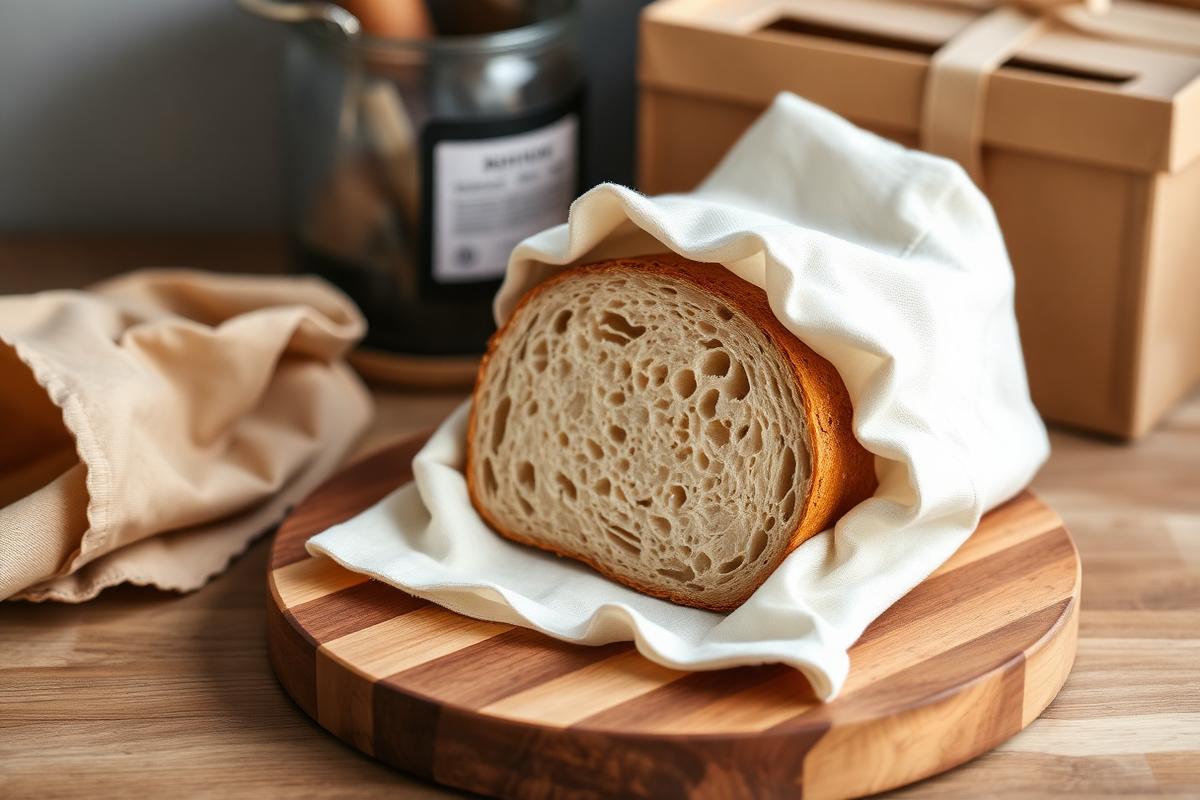
How to Store Sourdough Bread So It Stays Fresh
Linen bags, cut-side down, and the freezer trick that brings a week-old loaf back to bakery freshness.
Better bread, delivered on Sundays.
Join other talented bakers. One recipe, one troubleshooting tip, and one baking schedule — every week, no filler.